Stress-Free Bathing Tips for Cats That Hate Water
DONALD LEE WARNICK | Updated on 04/10/26
Do Cats Really Need Baths? A Practical Guide for Cat Owners
If there is one thing many cat owners can agree on, it is this: most cats do not enjoy bath time.
Unlike dogs, cats are naturally good at keeping themselves clean. They spend a large part of their day grooming their fur, cleaning their paws, and maintaining their appearance.
Because of this, many cats rarely need a full bath.
However, there are situations when a bath becomes necessary.
A curious kitten may step into something sticky.
An indoor cat may accidentally get dirty while exploring.
A long-haired cat may struggle with keeping certain areas clean.
And sometimes, older cats may need a little extra help with grooming.
The challenge is that many cats do not understand why they suddenly need to stand in water.
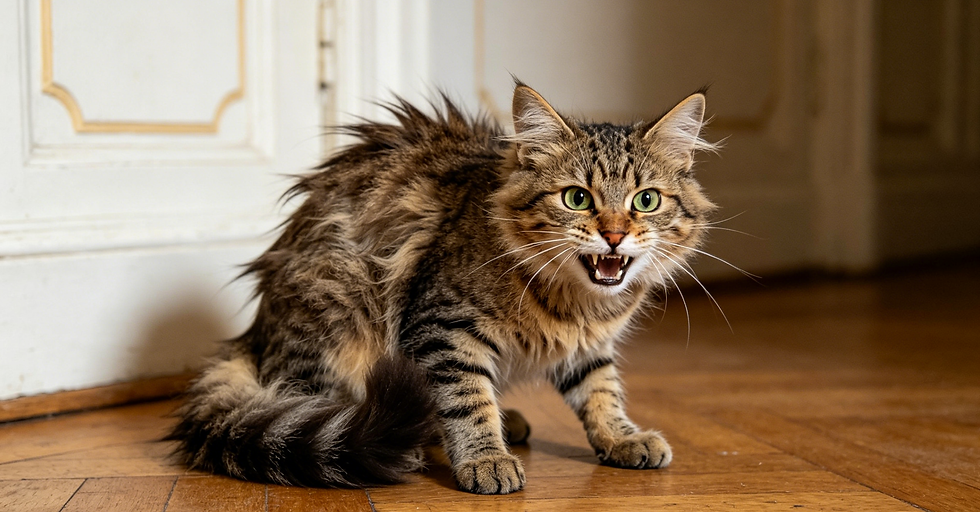
Their reaction can include hiding, trying to escape, meowing loudly, or becoming tense.
When I gave my cat his first bath, I quickly learned that the biggest challenge was not the water itself.
It was the fear and unfamiliar experience.
I prepared everything carefully, but I underestimated how stressful the sound of running water and the feeling of being held could be.
After that experience, I changed my approach.
Instead of treating bath time like a quick cleaning task, I started thinking about how to make the process feel safer and more predictable.
Over time, I learned that patience, preparation, and understanding your cat’s personality can make a big difference.
This article shares practical bathing tips based on personal experience and general cat care information. It focuses on everyday home routines and does not replace veterinary advice or professional grooming guidance.

Do Cats Really Need Baths?
Many cats do not need frequent baths.
Healthy cats usually maintain their own cleanliness through regular grooming.
Their rough tongues help remove loose hair, dirt, and small particles from their coat.
For many indoor cats, brushing and regular care may be enough.
However, a bath may be helpful in certain situations, such as:
-
Your cat gets something sticky or dirty on their fur
-
A long-haired cat develops areas that are difficult to clean
-
Your cat cannot groom properly because of age or limited movement
-
Your cat has an unpleasant smell that does not go away
-
A specific cleaning situation requires water
The goal of bathing should not be making your cat perfectly clean all the time.
Instead, it should be about helping when your cat needs extra support.
One mistake I made early on was assuming that because my cat looked clean, a regular bath routine would be beneficial.
Later, I realized that unnecessary baths could create more stress than benefit.
Every cat is different.
Some tolerate water better than others.
Why Do Cats Hate Water?
Many cats dislike water because they are unfamiliar with the sensation.
A wet coat feels completely different from a dry coat.
After a bath, cats may feel:
-
Heavier because of wet fur
-
Less comfortable moving around
-
Unable to control their body temperature as easily
Cats are also animals that like control.
They usually decide when they want to move, hide, or interact.
Being placed into water removes some of that control.
The sound of running water can also be overwhelming.
For a small cat, a bathtub or sink can feel like a strange environment.
This does not mean every cat will hate water forever.
Some cats become more comfortable when introduced slowly.
The key is avoiding a rushed experience that creates fear.
Prepare Before the Bath
One of the biggest improvements I made was preparing everything before bringing my cat near the water.
Trying to search for supplies while holding a wet, nervous cat usually makes the situation harder.
Before starting, prepare:
-
Cat-safe shampoo
-
Towels
-
A cup or gentle water container
-
Non-slip surface
-
Brush
-
Treats
-
Warm room environment
Having everything within reach helps the process feel calmer.
I also learned that a calm owner creates a calmer cat.
If I feel rushed or frustrated, my cat notices immediately.
Cats are very sensitive to our body language.

You might like


Choose the Right Time
Timing can influence how your cat reacts.
A good time for bathing is usually when your cat is already relaxed.
Avoid bathing when your cat is:
-
Excited
-
Hungry
-
Playing aggressively
-
Already hiding
I prefer to choose a quiet time after my cat has played and naturally started relaxing.
Atired cat is often easier to handle than a cat full of energy.

Introduce Water Slowly
One of the biggest mistakes owners make is placing a cat directly into a full bathtub.
For many cats, this creates immediate panic.
A slower approach often works better.
Start by allowing your cat to experience small amounts of water.
For example:
-
Touch wet hands to their paws
-
Let them hear water running from a distance
-
Use a damp cloth first
-
Introduce water gradually
The goal is not forcing your cat to love water.
The goal is helping them feel less threatened.
My cat became much calmer when I stopped trying to complete the bath quickly.
Instead, I focused on making each step familiar.
Step-by-Step Stress-Free Cat Bath Routine
1. Brush Before Bathing
Always brush your cat before introducing water.
Brushing helps remove:
-
Loose fur
-
Small tangles
-
Dirt
Wet fur can become harder to manage, especially for cats with longer coats.
A few minutes of brushing beforehand can make the whole process easier.
2. Use Comfortable Water Temperature
Cats can be sensitive to temperature changes.
Water that feels too hot or too cold may increase stress.
Use comfortably warm water and test it before beginning.
A gentle temperature helps your cat feel more relaxed.
3. Keep Water Away From the Face
Most cats dislike water near their face.
Instead of pouring water over the head:
-
Use a damp cloth
-
Gently clean around the face
-
Avoid getting water near ears and eyes
The face is a sensitive area, and keeping it dry can make the experience easier.
4. Keep the Bath Short
A long bath is usually more stressful.
Once your cat is wet, focus on completing the necessary cleaning calmly.
Avoid unnecessary steps.
The shorter and smoother the process, the better.
How to Handle a Cat That Panics During Bath Time
Even with careful preparation, some cats will still dislike bathing.
This is normal.
A cat that tries to escape, cries, or becomes tense is not trying to make things difficult.
They are reacting to an unfamiliar situation.
The most helpful thing owners can do is stay calm and avoid turning bath time into a struggle.
Here are some approaches that can make the experience easier:
Stay Calm and Speak Softly
Cats are very good at noticing human emotions.
If you become frustrated, move quickly, or raise your voice, your cat may become even more nervous.
During my first attempt at bathing my cat, I was focused on finishing quickly.
Looking back, I think my rushed movements made him more uncomfortable.
Later, I changed my approach.
I slowed down, spoke calmly, and gave him short breaks when needed.
The difference was noticeable.
He was still not a fan of water, but he became less frightened.
Use Positive Associations
Many cats learn through repeated experiences.
If every bath ends with stress, your cat may begin to fear the entire routine.
Instead, try creating positive moments before and after bathing.
Examples include:
-
Giving treats after brushing
-
Offering praise during calm moments
-
Allowing your cat to explore the bathroom beforehand
-
Rewarding relaxed behavior
The goal is not to make your cat love baths overnight.
It is simply helping your cat understand that the experience is safe.
Consider Alternatives to Full Baths
A full bath is not always necessary.
Sometimes a smaller cleaning method is enough.
Depending on the situation, owners may try:
-
A damp cloth for small dirty areas
-
Gentle brushing
-
Cat-safe grooming wipes
-
Cleaning only specific areas
For example, if my cat only has a small dirty spot on his fur, I usually avoid a complete bath.
A quick cleanup is often less stressful for both of us.
Common Bathing Mistakes Cat Owners Make
Even with good intentions, some common mistakes can make cats dislike baths even more.
Mistake 1: Forcing the Cat Into Water Immediately
Putting a frightened cat directly into a full bathtub can create a negative association.
A better approach is introducing the process slowly.
Let your cat become familiar with the bathroom, sounds, and routine.
Mistake 2: Using Human Shampoo
Human shampoos are designed for human skin, not cats.
Cats have different skin needs, and using unsuitable products may cause discomfort.
Always choose products specifically made for cats.
Mistake 3: Making the Bath Too Long
Many owners try to complete too many grooming tasks at once.
A stressful bath does not need to become a complete grooming session.
Focus on what is necessary.
A short, calm experience is usually better than a long, overwhelming one.
Mistake 4: Ignoring Your Cat’s Signals
Cats often communicate discomfort before they try to escape.
Pay attention to signs such as:
-
Flattened ears
-
Tail movements
-
Tense body posture
-
Attempts to leave
Understanding these signals can help you adjust before your cat becomes overwhelmed.
After-Bath Care Matters Too
The bath itself is only part of the process.
Many cats dislike the feeling of being wet afterward.
After bathing:
-
Wrap your cat gently in a towel
-
Remove excess water carefully
-
Keep the room warm
-
Allow your cat to dry in a comfortable place
Some cats tolerate a low-setting pet dryer.
Others become frightened by the sound.
My cat strongly dislikes loud noises, so I usually rely on towels and a warm room instead.
The most important thing is choosing a method that matches your cat’s personality.
Owner Observations: What I Learned From Bathing My Cat
Before owning a cat, I assumed bathing was mostly about cleanliness.
After living with one, I realized it was more about trust.
My cat does not understand why water suddenly appears around him.
From his perspective, a bath is an unusual event where his normal routine changes.
The biggest improvement came when I stopped treating him like he needed to
“cooperate” and started treating him like a small animal that needed reassurance.
I noticed that preparation mattered more than speed.
A calm environment, familiar handling, and patience made a bigger difference than trying to finish everything quickly.
Now, when bathing is necessary, I prepare beforehand and keep the process simple.
Real Scenario: A Long-Haired Cat That Needed Extra Help
A friend of mine has a long-haired cat named Charlie.
Charlie was excellent at grooming himself, but occasionally his fur became difficult to manage.
At first, his owner tried full baths whenever his coat looked messy.
However, Charlie became increasingly stressed during these sessions.
Instead, they changed the routine.
They focused more on regular brushing and only used bathing when it was truly needed.
This reduced the number of stressful experiences and helped Charlie stay more comfortable.
The lesson was simple:
Sometimes better daily care can reduce the need for frequent baths.
How Often Should Cats Be Bathed?
There is no single schedule that works for every cat.
Many cats rarely need baths because they naturally groom themselves.
The right frequency depends on factors such as:
-
Coat type
-
Lifestyle
-
Age
-
Ability to groom
-
Specific situations
Some cats may need occasional bathing.
Others may go a long time without one.
Instead of following a strict schedule, pay attention to your individual cat.
Final Thoughts
Bathing a cat that hates water can feel challenging, but it does not have to become a stressful experience.
The goal is not to turn every cat into a cat that enjoys baths.
Some cats will never love water, and that is perfectly normal.
The goal is creating a safer, calmer routine when bathing is necessary.
The biggest lesson I have learned is that patience matters more than perfection.
A successful bath is not the one where everything goes exactly according to plan.
It is the one where your cat feels respected and comfortable.
By preparing ahead, understanding your cat’s signals, and keeping the experience positive, bath time can become much easier.
Every cat has a different personality.
Some are curious.
Some are cautious.
Some will tolerate water better than others.
Learning what works for your own cat is part of building a stronger relationship together.
FAQ
1. Do cats really need regular baths?
Most cats do not need regular baths because they naturally groom themselves very well. However, baths can still be necessary if a cat gets dirty, develops skin issues, has fleas, or struggles to clean itself properly.
2. How often should I bathe my cat?
There is no universal schedule for cat baths. Some cats may only need a bath a few times a year, while long-haired or hairless breeds may require more frequent grooming. Bathing too often can dry out your cat’s skin.
3. Can I use human shampoo on my cat?
No. Human shampoo is not designed for feline skin and may cause irritation or dryness. Always choose a shampoo specifically made for cats.
4. Why does my cat hate water?
Many cats dislike water because it feels unfamiliar and uncomfortable. Loud sounds, slippery surfaces, and sudden movements during bath time can also make cats anxious.
References
-
International Cat Care – Cat Grooming and General Care
https://icatcare.org/ -
American Society for the Prevention of Cruelty to Animals (ASPCA) – Cat Care Guide
https://www.aspca.org/pet-care/cat-care -
American Association of Feline Practitioners – Feline Health and Behavior Resources
https://catvets.com/ -
Cornell Feline Health Center – Cat Health and Care Information
https://www.vet.cornell.edu/departments-centers-and-institutes/cornell-feline-health-center -
The Humane Society of the United States – Cat Care Resources
https://www.humanesociety.org/resources/cat-care
Disclaimer:
This article is based on personal experience as a cat owner and general information about cat grooming habits. It is intended for educational purposes only and does not replace veterinary diagnosis, treatment, or professional grooming advice.
Related Articles


Donald is a pet care writer and office worker with 5 years of hands-on experience caring for cats and dogs, balancing a busy 9-to-5 schedule with pet parenthood.
Each of his articles draws from real-life wins and learning moments, answering questions busy pet parents face: how to keep pets happy and healthy without extra stress, simple daily habits, budget-friendly tips, and solutions for common issues like picky eating or late-night troubleshooting.