Gentle Claw Trimming & Cat Paw Moisturizing Hacks
DONALD LEE WARNICK | Updated on 04/10/26
Gentle Claw Trimming & Cat Paw Moisturizing Hacks: A Practical Guide for Cat Owners
A cat’s paws are small, but they do a lot of important work. They help cats balance, climb, explore, communicate, and protect themselves. Yet many cat owners overlook paw care until they notice something unusual — overgrown claws getting stuck in blankets, dry paw pads, or a cat suddenly refusing to cooperate during grooming.
For many households, trimming claws and moisturizing paw pads can feel intimidating. Cats are naturally sensitive about having their feet touched, and one wrong move can quickly turn a simple grooming routine into a stressful experience for both the cat and the owner.
The good news is that gentle, consistent home care can make paw maintenance much easier. While every cat is different, many owners find that creating a calm routine, using the right tools, and knowing when to stop can prevent common claw and paw problems.
This guide focuses on everyday cat owner experiences, practical home-care techniques, and situations where professional evaluation may be needed. It is not a replacement for veterinary diagnosis or treatment, but it can help you understand basic paw care and make safer decisions for your cat.

Donald is a pet care writer and office worker with 5 years of hands-on experience caring for cats and dogs, balancing a busy 9-to-5 schedule with pet parenthood.
Each of his articles draws from real-life wins and learning moments, answering questions busy pet parents face: how to keep pets happy and healthy without extra stress, simple daily habits, budget-friendly tips, and solutions for common issues like picky eating or late-night troubleshooting.
Cats naturally scratch to remove the outer layers of their claws and keep them functional. Outdoor cats often wear down their claws through climbing, scratching surfaces, and daily activity. Indoor cats, however, may not have the same opportunities.
When claws become too long, they may:
-
Get caught in carpets, blankets, or furniture
-
Curve back toward the paw pad
-
Make walking uncomfortable
-
Increase the chance of accidental scratches during play
Older cats may need extra attention because they often become less active and may not scratch as frequently as younger cats.
Paw pads also deserve attention. A healthy cat paw pad is usually soft, flexible, and free from obvious cracks or swelling. Mild dryness can happen from normal environmental factors, such as dry indoor air, but sudden changes in paw condition may require closer observation.
My Experience: The First Time I Tried Trimming My Cat’s Claws
When I first started trimming my cat’s claws, I expected it to be a quick five-minute task.
It was not.
My cat immediately understood that something unusual was happening. The moment I picked up the nail clippers, he pulled his paw away and looked at me like I had completely betrayed him.
After a few failed attempts, I changed my approach. Instead of trying to finish all four paws at once, I started touching his paws for a few seconds each day without trimming anything. Sometimes I would gently press his paw pad to expose the claw, then reward him with a treat.
After about two weeks, he became much less nervous.
The biggest lesson I learned was that claw trimming is not just about the tool — it is about trust. Many cats do not dislike the trimming itself; they dislike feeling trapped or surprised.
Now, I usually trim only a few claws at a time, and I stop before he becomes frustrated. It takes longer, but the process is much calmer for both of us.
Understanding the Evidence: What Is General Care Advice vs Professional Assessment?
Not every paw concern requires a veterinary visit, but not every problem should be handled at home either.
Understanding the difference can help cat owners avoid unnecessary stress while also recognizing warning signs.
Common Home-Care Practices (General Experience-Based Advice)
These are everyday grooming habits commonly used by many cat owners:
1. Checking claws regularly
Looking at your cat’s claws every few weeks can help you notice:
-
Excessive length
-
Cracking
-
Curling
-
Dirt buildup
Regular observation is a simple preventive habit.
2. Using proper cat nail clippers
Human nail clippers may crush the claw instead of making a clean cut. Cat-specific clippers are designed to better match the shape of feline claws.
3. Keeping paw pads clean
A gentle visual check can help identify:
-
Litter stuck between toes
-
Small debris
-
Surface dryness
4. Creating a calm grooming environment
Many cats respond better when grooming happens:
-
After playtime
-
When they are relaxed or sleepy
-
In a familiar location
-
Without loud noises or sudden movements
These approaches are based on common pet-care experience rather than a guarantee that every cat will respond the same way.
When Is the Right Time to Trim Your Cat’s Claws?
Timing matters more than many owners realize.
A good moment for claw trimming is usually when your cat is:
Relaxed after a meal
Many cats naturally become calmer after eating. This can be a good opportunity for a short grooming session.
Sleepy or resting
A cat that is actively playing, hunting toys, or watching birds through the window is usually not interested in cooperating.
Already comfortable with paw handling
Before trimming, your cat should ideally tolerate:
-
Gentle paw touching
-
Holding the paw briefly
-
Light pressure on the paw pad
If your cat immediately struggles, hiding, or showing strong resistance, forcing the process may create a negative association.

Preparing Your Home Before Claw Trimming
A successful claw-trimming session usually starts before you touch the clippers.
Prepare the right tools
You may want:
-
Cat nail clippers
-
A towel or blanket (if your cat feels secure being wrapped)
-
Treats for positive reinforcement
-
Good lighting
Avoid rushing because poor visibility increases the chance of cutting too close.
Choose a Comfortable Location
The best location is different for every cat.
Some cats prefer:
-
Sitting on your lap
-
A soft blanket
-
A quiet sofa
-
A familiar grooming area
Others dislike being restrained and may do better with short sessions while standing naturally.
The goal is not perfect control. The goal is reducing stress.
How to Trim Cat Claws Gently Step by Step
Step 1: Let Your Cat Inspect the Tool
Before cutting, allow your cat to see and smell the clippers.
This reduces the “strange object suddenly touching me” reaction.
Step 2: Hold the Paw Gently
Avoid squeezing.
A cat’s paw contains sensitive structures, and excessive pressure can make your cat associate grooming with discomfort.
Step 3: Press the Paw Pad to Extend the Claw
When you gently press the paw pad, the claw usually becomes visible.
Look carefully before cutting.
Step 4: Only Trim the Sharp Tip
The safest approach for many beginners is removing only the curved, sharp end.
Inside each claw is a sensitive area containing blood vessels and nerves. Cutting too deeply can cause pain and bleeding.
If you are unsure where to cut, it is better to remove less rather than more.
Cat Paw Moisturizing: Does Every Cat Need It?
Many cat owners notice paw dryness during certain seasons, especially when indoor air becomes dry or when cats spend more time indoors. A slightly rough paw pad does not always mean something is wrong, but it can be a sign that your cat’s paws need more attention.
Before applying anything, remember an important point:
Cats lick their paws frequently. Any product used on their paws should be chosen carefully and should be safe for cats.
Avoid using random human skincare products, essential oils, scented lotions, or ingredients that may irritate your cat or become unsafe if swallowed.
Simple Paw Care Habits That Many Owners Use
1. Check the Environment First
Sometimes dry paw pads are related to the environment rather than a direct paw problem.
Consider:
-
Is the indoor air very dry?
-
Does your cat spend time on rough surfaces?
-
Is there excessive exposure to dusty litter?
-
Has anything recently changed in your home?
A comfortable living environment is often the first step in supporting normal skin condition.
2. Keep Paw Pads Clean
A gentle wipe with a soft, damp cloth can help remove:
-
Dust
-
Small litter particles
-
Surface debris
Avoid aggressive rubbing because paw pads can become irritated if handled too roughly.
For most healthy cats, simple cleaning is often enough.
3. Use Cat-Safe Paw Moisturizing Products
Some cat owners choose products specifically made for feline paw care.
The general purpose of these products is to support the natural moisture barrier of the paw surface.
However, moisturizing products are not a solution for every paw problem.
For example:
-
Mild surface dryness → may improve with gentle care and environmental adjustments
-
Cracking, bleeding, swelling, or painful paws → may require professional assessment
What Not to Put on Your Cat’s Paws
A common mistake is assuming that products safe for humans are automatically safe for cats.
Avoid applying:
-
Human hand cream
-
Perfumed lotion
-
Essential oil products
-
Strong chemical-based skincare products
-
Unknown homemade mixtures
Cats groom themselves by licking. Anything placed on their paws may eventually enter their mouth.
If you are unsure whether a product is suitable, checking with a veterinary professional is the safest option.
My Cat’s Paw Moisturizing Routine: What Worked for Us
During winter, I noticed my cat’s paw pads looked slightly rougher than usual. They were not bleeding, swollen, or causing him to walk differently, but the texture felt less soft compared with normal.
Instead of immediately applying multiple products, I first looked at the environment.
The heating system had been running more often, and the air inside the house felt noticeably drier.
I started with simple changes:
-
Cleaning his paws gently after litter use
-
Adding more comfortable resting areas
-
Checking his paws regularly instead of waiting for a problem
After that, his paws appeared much closer to their usual condition.
The experience reminded me that sometimes basic care and observation are more useful than trying many solutions at once.
Signs That Need More Attention: When Home Care May Not Be Enough
Most minor grooming issues can be monitored, but some signs deserve professional evaluation.
A key part of responsible pet care is knowing when a situation moves beyond normal home maintenance.
Mild Situations That Owners Can Usually Monitor
These situations are often suitable for careful observation:
Slightly dry paw pads
If your cat:
-
Walks normally
-
Eats normally
-
Shows no obvious pain
-
Has no swelling or bleeding
You may monitor the condition while improving basic paw care.
Slightly long claws
If the claws are simply sharp or slightly overgrown, gentle trimming may help.
However, avoid forcing your cat through a stressful grooming session.
Small amounts of dirt between toes
Routine cleaning may solve minor debris problems.
Situations That May Need Professional Assessment
A veterinary professional should evaluate concerns such as:
1. Claws Growing Into the Paw Pad
This is more common in some older cats whose claws become thicker and less naturally worn down.
Possible signs include:
-
Limping
-
Avoiding walking
-
A visible claw pressing into the paw
-
Swelling around the toe
This situation should not be treated as a simple nail-trimming issue.
2. Bleeding or Deep Cracks
A small accidental nail-cutting mistake may cause minor bleeding, but repeated bleeding, deep cracks, or wounds require more attention.
3. Sudden Paw Licking or Chewing
Cats naturally groom their paws, but excessive licking may indicate discomfort.
Pay attention if your cat:
-
Focuses repeatedly on one paw
-
Avoids putting weight on it
-
Becomes unusually sensitive when touched
4. Swelling, Heat, or Discharge
Changes such as:
-
Noticeable swelling
-
Pus-like discharge
-
Strong odor
-
Increasing redness
should not be managed only with home grooming.
A Simple Risk Guide for Cat Owners

This type of decision-making helps owners avoid both extremes: ignoring a problem or becoming overly worried about normal grooming changes.
Common Mistakes During Cat Paw Care
Mistake 1: Trying to Finish Everything at Once
Many owners attempt all claws in one session.
For some cats, this creates unnecessary stress.
A better approach may be:
-
One or two claws today
-
Another short session later
Consistency is usually more valuable than speed.
Mistake 2: Holding the Cat Too Tightly
Restraint may sometimes be necessary, but excessive force can make cats fearful of future grooming.
A calm cat is easier to care for than a frightened cat.
Mistake 3: Ignoring Senior Cats’ Claws
Older cats may not scratch as actively, which means their claws can grow longer without owners noticing.
Regular checks become increasingly important as cats age.
Final Thoughts: Gentle Care Builds Trust
Cat paw care is not about achieving a perfect grooming routine overnight. It is about building a habit that your cat can tolerate and trust.
A successful claw-trimming routine often comes from small steps:
-
Choosing a calm moment
-
Preparing the environment
-
Handling paws gently
-
Watching for changes
-
Knowing when home care is enough and when professional advice is needed
Every cat has a different personality. Some will happily sit through a full grooming session, while others may need several short attempts over time.
The goal is not simply shorter claws or softer paws — it is helping your cat stay comfortable while making grooming a positive part of everyday life.


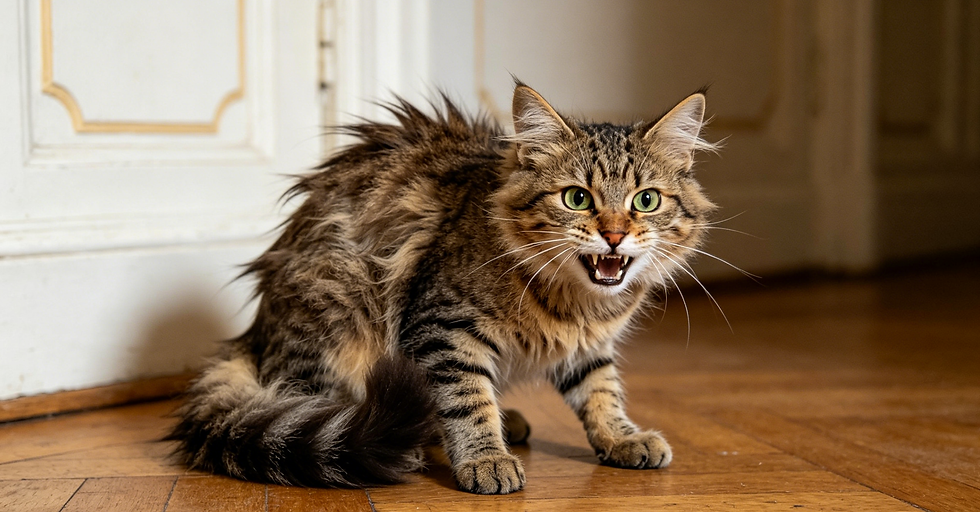
Why Regular Cat Claw and Paw Care Matters
You might like


FAQ
-
How do I avoid cutting the quick?
Trim only the clear sharp tip. Use a flashlight to see the pink quick clearly. -
What if I accidentally cut the quick?
Apply styptic powder or cornstarch and apply gentle pressure. It usually stops bleeding quickly. -
Can I use human hand cream on my cat’s paws?
No. Many human products contain ingredients toxic to cats. Always use pet-safe balms. -
How often should I moisturize my cat’s paws?
1–2 times per week is usually sufficient, or more often if pads are very dry. -
My cat hates having its paws touched. What should I do?
Desensitize gradually with treats and short sessions. Professional help may be needed for very resistant cats.
References
-
American Association of Feline Practitioners (AAFP) – Cat Care Resources
https://catfriendly.com/ -
Cornell Feline Health Center – Cat Health Information
https://www.vet.cornell.edu/departments-centers-and-institutes/cornell-feline-health-center -
International Cat Care – Cat Grooming and Welfare Information
https://icatcare.org/ -
ASPCA – Cat Care and Safety Resources
https://www.aspca.org/pet-care/cat-care


Related Articles

