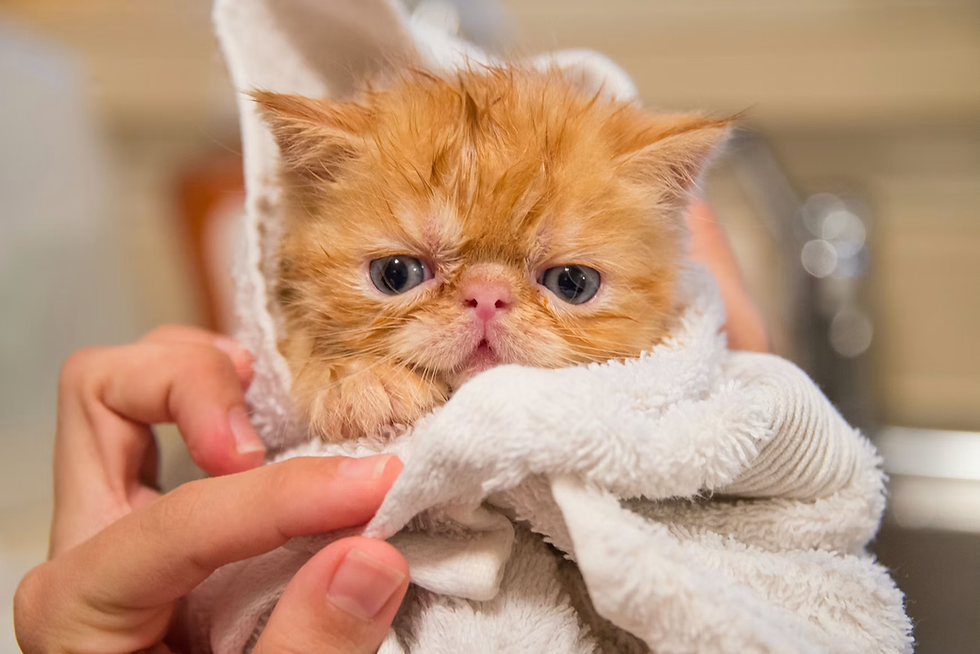
Safe Tear Stain & Ear Wax Cleaning for Felines
DONALD LEE WARNICK | Updated on 04/10/26
Safe Tear Stain & Ear Wax Cleaning for Felines: A Gentle Home Care Guide for Healthy Cat Eyes and Ears
A cat’s eyes and ears can reveal a lot about their overall comfort and daily health. Many owners notice small changes during routine cuddles — a little dark buildup near the corners of the eyes, extra ear wax, or a cat suddenly shaking its head more often.
For many cats, mild eye discharge or normal ear wax is simply part of everyday maintenance. However, cleaning these areas requires patience and care because both the eyes and ears are sensitive structures.
A common mistake among cat owners is assuming that every stain or buildup needs aggressive cleaning. In reality, gentle observation is often just as important as cleaning itself.
This guide focuses on practical home-care habits that many cat owners use, how to safely clean common surface buildup, and when changes may require professional evaluation. It is not a replacement for veterinary diagnosis or treatment, but it can help you better understand basic feline grooming and make safer decisions for your cat.
Why Eye and Ear Care Matters for Cats
Cats are naturally clean animals. They spend a large amount of time grooming themselves, but some areas still benefit from occasional owner attention.
The eyes and ears are especially important because changes in these areas may sometimes indicate discomfort.
Regular observation can help owners notice:
-
Changes in eye discharge
-
Increased tear staining
-
Unusual ear odor
-
Excessive ear scratching
-
Head shaking
-
Visible wax buildup
The goal of routine care is not to make your cat look perfect. It is to maintain comfort and notice unusual changes early.
Understanding Tear Stains in Cats
Tear stains are dark marks that appear around the eye area. They are especially noticeable in cats with lighter-colored fur.
Many owners assume tear stains always mean poor hygiene, but that is not necessarily true.
Possible reasons for visible tear staining include:
-
Natural tear production
-
Fur color and texture
-
Face shape
-
Environmental factors
-
Eye irritation
Some cats naturally have more noticeable tear marks than others.
A small amount of dried discharge at the corner of the eye can be normal. However, sudden changes, excessive tearing, or signs of discomfort should not be ignored.
My Experience Cleaning My Cat’s Eye Area for the First Time
When I first noticed darker marks near my cat’s eyes, my first thought was that I needed to clean them immediately.
I bought wipes, prepared everything, and expected the process to take less than a minute.
My cat had other ideas.
The moment I approached his face, he turned away and started avoiding me. I quickly realized that the problem was not the cleaning itself — it was that I was moving too quickly into a sensitive area.
Instead of trying to wipe aggressively, I changed the routine.
I started by:
-
Touching his cheeks gently
-
Letting him smell the cloth first
-
Cleaning only for a few seconds at a time
-
Rewarding him afterward
Over time, he became much more comfortable.
The biggest thing I learned was that facial grooming is built on trust. A clean face is helpful, but keeping your cat relaxed is even more important.

Evidence Guide: What Is General Care Experience vs Professional Assessment?
Understanding the difference between normal maintenance and possible health concerns helps owners make better decisions.
Everyday Home-Care Practices
These are common grooming habits many cat owners use:
1. Gentle eye-area cleaning
For small amounts of surface discharge:
-
Use a clean, soft cloth or cat-safe eye cleaning product
-
Wipe gently around the outside of the eye
-
Avoid rubbing directly on the eyeball
The goal is removing surface debris, not deep cleaning.
2. Regular ear observation
Healthy cat ears are usually:
-
Relatively clean
-
Free from strong odor
-
Not excessively irritated
Checking your cat’s ears occasionally can help you notice changes.
3. Avoiding unnecessary cleaning
Many owners over-clean because they believe more cleaning means better care.
However, frequent unnecessary ear cleaning may irritate sensitive ear tissue.
Routine observation is often enough for many healthy cats.


You might like


Donald is a pet care writer and office worker with 5 years of hands-on experience caring for cats and dogs, balancing a busy 9-to-5 schedule with pet parenthood.
Each of his articles draws from real-life wins and learning moments, answering questions busy pet parents face: how to keep pets happy and healthy without extra stress, simple daily habits, budget-friendly tips, and solutions for common issues like picky eating or late-night troubleshooting.
How to Safely Clean Cat Tear Stains at Home
Step 1: Choose the Right Time
The best time is usually when your cat is relaxed.
Good opportunities include:
-
After eating
-
After a nap
-
During a quiet bonding moment
Avoid cleaning when your cat is:
-
Playing actively
-
Nervous
-
Trying to escape
Step 2: Prepare Your Supplies
Before starting, prepare:
-
A soft clean cloth
-
Cat-specific cleaning products if needed
-
A comfortable place with good lighting
Avoid using:
-
Strong chemicals
-
Perfumed wipes
-
Human makeup remover
-
Products containing ingredients not intended for cats
Cats groom their faces frequently, so anything used near their eyes should be chosen carefully.
Step 3: Clean the Outside Area Only
Gently wipe the fur around the eye.
Do not:
-
Press on the eye
-
Pull crusted material forcefully
-
Insert anything into the eye
If discharge is stuck, softening it first with a damp cloth may be gentler than rubbing.
Common Tear Stain Mistakes Cat Owners Make
Mistake 1: Scrubbing Dark Marks Too Hard
Many tear stains develop gradually.
Aggressive rubbing may irritate the skin around the eyes and make your cat dislike future grooming.
Mistake 2: Using Human Beauty Products
Products designed for people may contain ingredients that are unsuitable for cats.
The area around the eyes is especially sensitive, so simple and gentle care is usually the better approach.
Mistake 3: Assuming Every Tear Stain Is Cosmetic
A stain may simply be a cosmetic concern, but changes matter.
Pay attention if your cat suddenly develops:
-
Increased tearing
-
Squinting
-
Eye redness
-
Frequent pawing at the face
These signs may require professional assessment.
Safe Ear Wax Cleaning for Cats: What Owners Should Know
Ear wax is a normal part of feline ear health. A small amount of light-colored wax can be completely normal, and many healthy cats do not need frequent ear cleaning.
The purpose of ear care is not to remove every trace of wax. A cat’s ears have their own natural cleaning process, and excessive cleaning may disturb the normal balance of the ear environment.
The most helpful habit for many owners is simple:
Observe first, clean only when needed.
How to Check Your Cat’s Ears at Home
A quick visual check during normal interactions can help you understand what is normal for your cat.
Healthy-looking ears often have:
-
A small amount of normal wax
-
No strong smell
-
No obvious swelling
-
No significant redness
-
No constant scratching
When checking your cat’s ears, avoid forcing the ear open or inserting objects deep inside.
A gentle look is enough for routine observation.
How to Safely Clean Mild Ear Wax at Home
If your cat has a small amount of visible ear wax around the outer ear, gentle cleaning may be appropriate.
Step 1: Choose a Calm Moment
Similar to claw trimming and eye cleaning, timing matters.
A relaxed cat is more likely to tolerate ear care.
Good moments include:
-
After resting
-
After a meal
-
During a quiet bonding session
Avoid attempting ear cleaning when your cat is already stressed.
Step 2: Prepare the Right Supplies
Before cleaning, prepare:
-
A soft cotton pad or gauze
-
Cat-specific ear cleaning products if appropriate
-
A towel if your cat feels more comfortable with gentle support
Avoid using:
-
Cotton swabs deep inside the ear canal
-
Alcohol-based products
-
Hydrogen peroxide unless specifically directed by a veterinary professional
-
Homemade ear solutions without guidance
The inside of a cat’s ear is delicate, and pushing materials too deeply can cause injury.
Step 3: Clean Only What You Can See
For normal surface wax:
-
Wipe the visible outer ear area gently
-
Do not dig into the ear canal
-
Stop if your cat becomes uncomfortable
The goal is basic hygiene, not a complete removal of all ear material.
Understanding Normal Ear Wax vs Possible Ear Problems
Not all ear buildup means something is wrong.
Common Situations That May Be Monitored
A small amount of:
-
Light brown wax
-
Occasional surface debris
-
Mild buildup without discomfort
may simply be part of normal ear maintenance.
However, changes in amount, smell, color, or your cat’s behavior are more important than the wax alone.
Signs That May Need Professional Evaluation
Some ear changes should not be handled only through home cleaning.
Consider professional assessment if you notice:
1. Strong or Unusual Ear Odor
A noticeable unpleasant smell may indicate an underlying ear issue.
2. Frequent Head Shaking
Occasional head movement is normal, but repeated shaking may suggest discomfort.
Pay attention if your cat:
-
Shakes its head often
-
Scratches one ear repeatedly
-
Avoids having the ear touched
3. Dark, Coffee-Ground-Like Debris
Very dark ear material, especially when combined with irritation or discomfort, deserves attention.
4. Redness, Swelling, or Pain
A healthy ear should not appear obviously inflamed.
Seek professional advice if your cat shows:
-
Pain when the ear is touched
-
Swelling
-
Severe redness
-
Loss of balance
-
Sudden behavior changes
My Cat’s Ear Cleaning Lesson: Less Is Often More
Risk Guide: When to Monitor and When to Seek Help

This type of risk-based approach helps owners avoid unnecessary cleaning while also recognizing signs that should not be ignored.
Common Mistakes During Cat Eye and Ear Care
Mistake 1: Cleaning Too Often
More cleaning does not always mean better care.
Over-cleaning may irritate sensitive areas and create unnecessary stress.
Mistake 2: Using Improvised Products
Many household products are not designed for cats.
Because cats groom themselves, products used around the face and ears should be selected carefully.
Mistake 3: Ignoring Behavioral Changes
Sometimes the most important clue is not what the eye or ear looks like, but how your cat behaves.
Changes such as:
-
Hiding more often
-
Avoiding touch
-
Scratching repeatedly
-
Eating less
can be important observations to discuss with a veterinary professional.
Final Thoughts: Gentle Observation Is the Foundation of Cat Care
Safe eye and ear care is not about cleaning as much as possible. It is about understanding what is normal for your cat and responding appropriately when something changes.
The most helpful habits are simple:
-
Check your cat’s eyes and ears regularly
-
Clean gently and only when needed
-
Avoid unnecessary products
-
Pay attention to behavior changes
-
Know when professional evaluation is needed
A calm routine, patience, and careful observation can make grooming easier while helping your cat stay comfortable.
Good cat care is not about perfection — it is about noticing small changes and making thoughtful choices every day.
FAQ
-
Are tear stains always a health problem?
Not always. Some light staining is normal, especially in white or light-colored cats, but sudden increases may need veterinary attention. -
Can I use human eye wipes on my cat?
No. Only use products specifically formulated for cats. Human products may contain harmful ingredients. -
How do I know if my cat has an ear infection?
Signs include dark waxy discharge, bad odor, head tilting, or pain when ears are touched. See a vet immediately. -
How often is too often to clean ears?
Over-cleaning can irritate the ears. Follow your vet’s recommendation based on your cat’s individual needs. -
What causes excessive tear staining?
Allergies, blocked tear ducts, dental issues, or diet can contribute. A vet visit can help identify the root cause.
References
-
American Association of Feline Practitioners (AAFP) – Cat Friendly Care Resources
https://catfriendly.com/ -
Cornell Feline Health Center – Feline Health Information
https://www.vet.cornell.edu/departments-centers-and-institutes/cornell-feline-health-center -
International Cat Care – Cat Health and Welfare Resources
https://icatcare.org/ -
ASPCA – Cat Care Resources
https://www.aspca.org/pet-care/cat-care
Related Articles